“Insurance included” on a rental listing tells you very little about who pays after a crash. Rental car insurance in Thailand, and scooter rental insurance too, is really four separate things: the compulsory policy on the vehicle, any voluntary cover the owner bought, the terms of your rental agreement and your own travel insurance. Below: what each one covers, which documents to ask a Pattaya rental company for before you pay, and what to do after a crash.
Rental car insurance in Thailand: the four layers

When you pick up a car or scooter, four things decide what you will owe if something goes wrong:
- Compulsory motor insurance (Por Ror Bor, พ.ร.บ.). The owner buys it, which means the rental company. It pays for injuries to people, not for repairs.
- Voluntary motor insurance. The vehicle may or may not have it. If it does, the policy class decides whether damage to the rented vehicle is covered.
- The rental agreement. This sets your share of any loss: the excess, the deposit and the exclusions. In Pattaya the wording and limits vary from company to company.
- Your travel insurance. It pays your medical bills and other personal costs, with its own rules on licences, helmets and engine size.
Most disputes start when these layers get mixed up. The owner says “it’s insured” and means Por Ror Bor; the renter hears “if I scratch it, the insurer pays.”
Compulsory Por Ror Bor insurance: what it does and doesn’t cover
Thailand’s Protection for Motor Vehicle Victims Act of 1992 requires every motor vehicle, motorcycles and scooters included, to carry compulsory insurance. Thais call it Por Ror Bor after the Thai abbreviation for “act”. The legal duty sits with the owner, so on a rental it is the company’s job, not yours, and the owner faces a fine if the vehicle has none.
Who it protects
The insurance regulator, the Office of Insurance Commission (OIC), sums it up as “repair people, not cars.” The policy pays for death or injury to anyone hurt in the crash: the rider, passengers, pedestrians, people inside or outside the vehicle, whoever was at fault. It covers medical treatment, funeral costs and compensation for loss of a limb or permanent disability. An initial payment is made without waiting for fault to be decided, and the claim for it has to be filed within 180 days of the accident.
What it leaves out
Repairs to the rented car or scooter, damage to another vehicle, your phone and any other property. If you hit someone’s bumper and your vehicle only has Por Ror Bor, both repair bills fall under your rental agreement or come out of your pocket.
When the other side has no policy
The OIC runs a victims’ compensation fund. It pays when the vehicle at fault is uninsured or stolen, after a hit-and-run, and when an insurer fails to pay, then recovers the money from the owner or the insurer.
How to check the vehicle is covered
Ask to see the Por Ror Bor certificate and check its dates. The Department of Land Transport will not accept a vehicle’s annual tax without valid compulsory insurance and checks it against the OIC database, so an up-to-date tax record is a good sign. For scooters, also confirm there is a number plate and registration book. The UK Foreign Office warns that motorcycles and scooters hired out in tourist areas are often unregistered and cannot legally be ridden on public roads.
Voluntary insurance: the five policy classes
Only a voluntary policy can pay for repairs to the vehicle you rented, and not every class does. Thai insurers sell standard classes approved by the OIC, and any of them can be combined with Por Ror Bor.
| Class | Third-party injury | Third-party property | Damage to the insured vehicle | Theft and fire |
|---|---|---|---|---|
| Class 1 | yes | yes | yes | yes |
| Class 2 | yes | yes | no | yes |
| Class 3 | yes | yes | no | no |
| Class 4 | no | yes | no | no |
| Class 5 (2+ and 3+) | yes | yes | named risks only, such as a collision with another vehicle | as in Class 2 or 3 |
If the company says the car has “first-class insurance”, ask who the named drivers are and what the excess is: the policy may cover only listed drivers, and you may still pay the first part of a claim. For a scooter, ask whether there is any voluntary policy at all.
Excess and renter liability: seven questions before you pay
Even with Class 1 cover, the agreement can make you liable for a deposit, an excess or the full cost of certain events: lost keys, tyre damage, riding outside the permitted area, an unlisted driver, an invalid licence, or driving after drinking. If the company wants your passport as a deposit, read how to rent a scooter in Pattaya without leaving your passport first.
Ask these in writing, by messenger or email, and keep the replies:
- Which insurer issued the policy, what class is it and when does it expire?
- Does it cover damage to the rented vehicle itself?
- What is the excess, or the most I could be asked to pay?
- Are injury and property damage to third parties covered?
- What is excluded: tyres, glass, underbody, theft, flooding, unpaved roads?
- Who may drive, and can a second driver be added?
- Who do I call after an incident and which documents do you need?
Common reasons a claim is reduced or refused
- no valid licence for the right vehicle category;
- a driver who is not named in the agreement;
- alcohol or drugs;
- riding a motorcycle or scooter without a helmet;
- travelling outside the agreed area;
- reporting the accident late or arranging repairs yourself;
- using the vehicle in breach of the rental terms.
For alcohol limits, helmet rules and police checkpoints, see Thailand road rules for tourists.
Scooter rental insurance in Thailand: your travel policy
The biggest bill after a scooter crash is usually the hospital, and that is your travel insurer’s job, not Por Ror Bor’s. Compulsory cover has fixed limits that may not stretch far for serious treatment. Before you ride, open your policy wording and find the section on motorcycles. Check four things:
- Whether riding is covered at all. Some policies treat motorcycling as an add-on you have to buy.
- Licence category. Any scooter needs a motorcycle category, and above 125 cc it must be full category A (see IDP and motorcycle licence for Thailand). The UK Foreign Office notes that many travel insurers expect you to hold the licence you would need to ride the same vehicle at home, and that riding without a valid licence could invalidate your cover.
- Engine size. Compare the cc in the listing with any limit in your policy.
- Helmet. It is required by law, and riding without one is a common reason for a refused claim.
Save your insurer’s emergency assistance number in your phone before the first ride.
What to do after an accident

- Stop, switch on the hazard lights if the vehicle has them, and get out of the traffic.
- If anyone is hurt, call 1669 for emergency medical help. The general police emergency number is 191; the Tourist Police are on 1155.
- Call the rental company on the number in your agreement and follow its instructions.
- Photograph vehicle positions, damage, number plates, road markings and signs.
- Report the accident to the police. A copy of the police record is on the list of documents for an initial Por Ror Bor payment, along with proof of identity and hospital bills.
- Do not sign anything in Thai until you understand what it says.
- Do not arrange repairs before the owner or insurer approves them.
When two insured vehicles collide and fault is not yet clear, injured people claim the initial payment from the policy of the vehicle they were riding in, so a passenger on your scooter claims through the scooter’s Por Ror Bor. If an insurer delays or refuses, the OIC hotline 1186 gives advice and takes complaints.
Comparing rental offers in Pattaya
Look beyond the daily rate. A cheap deal with a high excess can cost more than a dearer one after a single scrape. Before booking a rental car in Pattaya or a scooter or motorcycle, ask for the agreement and the insurance terms.
On Palmdrive you can message the company from the listing before sending a request: ask the seven questions above in writing and keep the replies. Below are vehicles from KERBITSKII KONSTANTIN; the current price and terms are on each listing page.
- Nissan Almera 2022 automatic sedan – five seats, good condition; for a family, ask whether a second driver can be added.
- MG 5 2024 sedan – 1.5 litres, 114 hp, automatic, good condition; ask about the excess and whether tyres and glass are excluded.
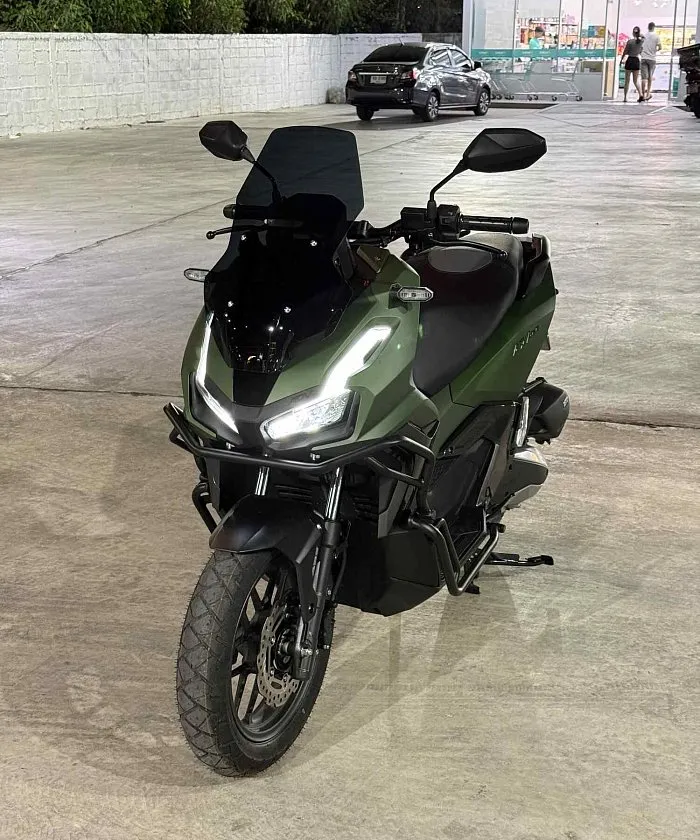
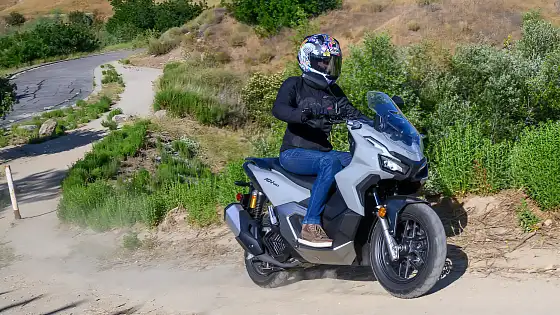
- new Honda ADV 160 2026 scooter – a 160 cc automatic for two; check that your licence category and travel policy cover it.
Quick answers
Do rental cars and scooters in Thailand come with insurance?
Every motor vehicle must have compulsory Por Ror Bor insurance, and the owner arranges it. Voluntary insurance is optional, so ask about it separately.
Does Por Ror Bor pay for damage to a rented scooter?
No. Compulsory insurance only pays for death and injury to people. Repairs depend on a voluntary policy, if there is one, and then on your rental agreement.
Which voluntary class covers damage to the rented car?
Class 1 covers it in any accident; Classes 2+ and 3+ only for named risks such as a collision with another vehicle. Classes 2, 3 and 4 do not pay for the insured vehicle.
Will my travel insurance pay if I crash a scooter without a motorcycle licence?
Quite possibly not. Many insurers require the right licence category and a helmet and can refuse a claim without them. Your policy wording has the final answer.
Which numbers should I call after an accident?
1669 for an ambulance, 191 for the police, 1155 for the Tourist Police, then the rental company. For problems with an insurance payout, call the OIC on 1186.
Exact cover depends on the company’s policy and rental agreement. This article is not legal or insurance advice. Official sources checked in October 2026.