Riding a scooter in Pattaya is the quickest way to hop between Jomtien, Pratumnak and Naklua without waiting for a songthaew, and plenty of visitors do it safely. It works when four things are in place: a licence that covers motorcycles, a helmet on you and your passenger, an understanding of how the one-way roads run, and a few quiet first days before you take on the busy streets. If you are missing any of them, sort that out first or use taxis for this trip.
Is riding a scooter in Pattaya right for you?
Be honest about your experience. Official UK travel advice notes that Thailand has a high number of road accidents, particularly involving motorcycles. Pattaya traffic is dense, mixed and fast to change: songthaews pull over without warning, delivery riders filter on both sides, and cars make U-turns across several lanes. It is not a place to learn to ride from zero.
A rough self-check before you commit:
- You have ridden a scooter or motorbike at home and are comfortable at walking pace, in a tight turn and under hard braking. Pattaya will feel busy but manageable.
- You have ridden a few times on holiday but never in heavy traffic. Plan a gentle start (see the first-days plan below) and ride alone, without a passenger, for the first couple of days.
- You have never ridden anything with two wheels and an engine. Use songthaews, ride-hailing apps or a car with a driver. A car for the family is also an option if you hold a car licence.
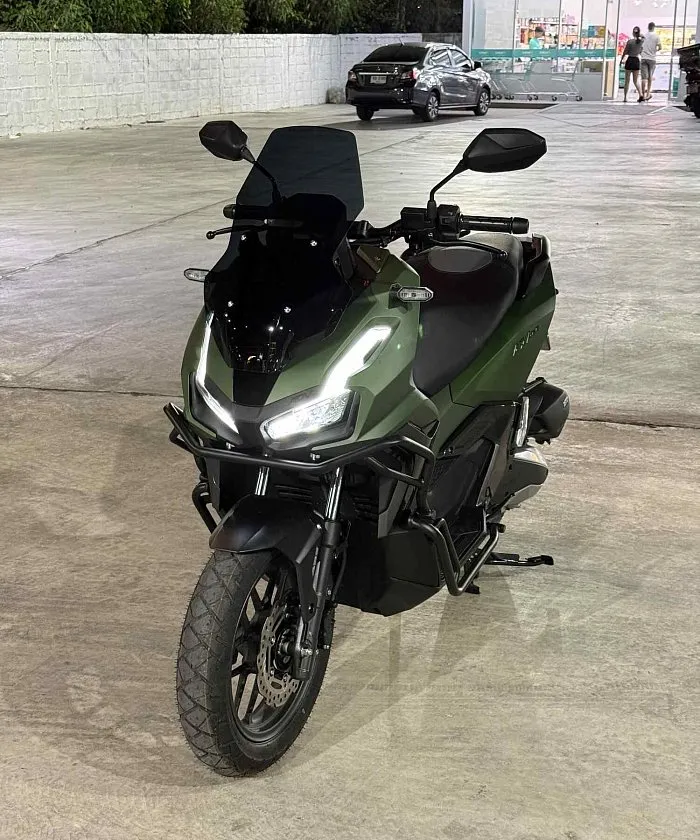
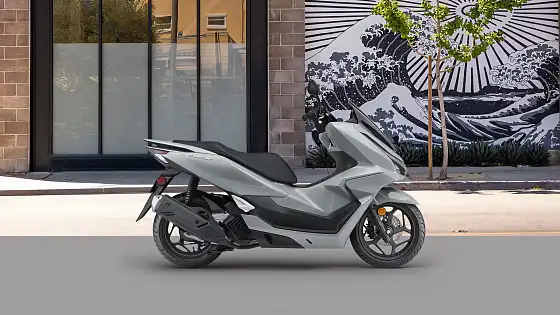
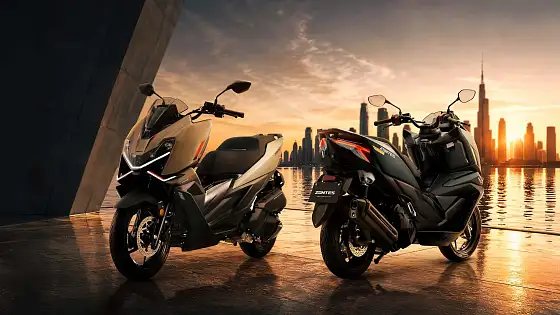
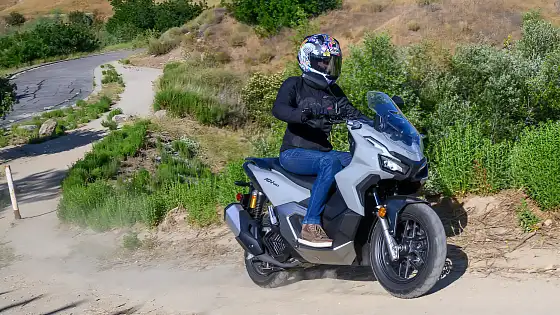
The scooter itself matters too. A light 110–125 cc automatic is the easiest to balance, push and park. Larger 150–160 cc models are more comfortable with a passenger, and a maxi scooter is heavy at low speed and is best left to experienced riders. To compare two popular 160 cc models, see our Honda ADV 160 vs PCX 160 guide. If you want to compare classes before you arrive, browse the scooters available in Pattaya.

Licence and documents to carry
The Tourism Authority of Thailand lists three options for foreign drivers: a Thai licence, an International Driving Permit, or a licence from an ASEAN country, carried together with your domestic licence. The category matters as much as the paperwork. If your home licence covers cars only, an IDP will not turn it into a motorcycle licence. Which IDP format you need, what “category A” means and what officers check at the roadside are covered in our guide to the driving licence and IDP for Thailand.
On every ride, keep with you:
- your national licence and the IDP (originals, not photos on your phone);
- the rental agreement and the registration papers for the scooter, or a copy if that is what the company provides;
- a photocopy of your passport. Do not leave the original as a deposit: UK travel advice warns that rental businesses may hold passports against claimed damage. Read how to rent a scooter without leaving your passport.
Check that the scooter is registered and has a number plate. UK travel advice says that motorcycles for hire in tourist areas are often unregistered, and those cannot legally be used on a public road. TAT also tells visitors to confirm that a rented vehicle has valid registration and insurance.
Finally, read your travel insurance policy before the trip. UK advice points out that riding without a valid licence could invalidate your cover, and many policies only cover vehicles you are licensed to ride at home. Look for the wording on motorcycles and engine size.
Helmet rules in Pattaya: rider and passenger
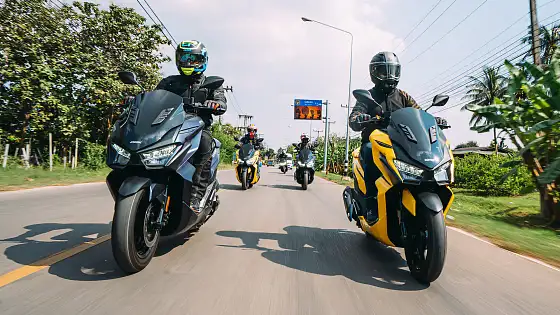
Helmets are compulsory. TAT states that motorcycle riders and passengers must both wear one, and UK advice says that by law you must wear a helmet when riding a motorcycle. A helmet on the mirror does not count, and neither does one with the strap undone.

Rental helmets vary, so take two minutes to check yours:
- Fit. With the strap fastened, the helmet should not rock forward over your eyes or slide back when you push it.
- Strap and buckle. The buckle should click shut and hold. You should fit no more than a couple of fingers between the strap and your chin.
- Shell and lining. Turn it down if it has cracks, a loose lining or missing padding.
- Visor or glasses. Insects, dust and sudden rain at 40 km/h hurt. Use a visor or at least sunglasses.
- Passenger helmet. If you plan to ride two-up, ask for a second helmet that fits your passenger, including a child-size one if needed.
Many long-stay riders buy their own helmet in a local shop after the first week. A full-face or three-quarter helmet that fits your head protects you better than any rental spare.
How traffic works in Pattaya
Thailand drives on the left, so keep left and overtake on the right. Speed limits vary by road type, pedestrians have priority at crossings, and drink-driving is off the table. Alcohol limits, fines and what happens at a police checkpoint are in our article on Thailand road rules for tourists. Pattaya adds its own quirks:
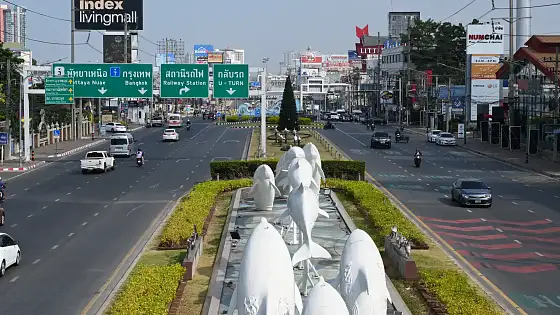
- Beach Road is one-way, heading south from North Pattaya towards South Pattaya. Second Road is one-way heading north. Together they form a loop, which is also the route the songthaews follow. Miss a turn and you go round again.
- Songthaews stop anywhere on the left to pick up or drop passengers. Do not ride right behind one, and pass on the right only when you can see clearly ahead.
- Sukhumvit Road is a divided highway with heavy trucks and buses. To change direction you usually move to the right-hand lane and wait at a gap in the median, with fast traffic behind you. Avoid it for your first days.
- Sois (side streets) are narrow and often have parked scooters, food carts and dogs. Expect a car to reverse out of a driveway at any moment.
- Sand and water near the beach make corners slippery, and painted road markings get slick after rain.
Before you plan longer rides, look at the Pattaya areas by scooter guide. It explains which parts of the city are calm and which are hard work on two wheels.
Your first days on a scooter in Pattaya
Beginners tend to get into trouble in the first two or three days: new bike, traffic on the other side, heat and distractions. Build up in steps.
- Day one, morning. Ride alone in a quiet area, such as the residential streets of Pratumnak or Jomtien away from the beachfront. Practise slow turns, stopping and starting on a slope, and parking.
- Day one, afternoon. Short trips on familiar routes: hotel to beach, shop, back. Leave the phone in your pocket and pick the route before you set off.
- Day two. Try the Beach Road and Second Road loop outside peak hours. Mornings are calmer than evenings.
- Day three and later. Take a passenger if you feel steady. Leave Sukhumvit, night rides and longer trips out of town until you are relaxed in the city.
Some habits that pay off from the start: ride in daylight, keep extra braking distance in rain, stay out of drivers’ blind spots, and wear closed shoes rather than flip-flops. Do not ride after drinking, and do not ride when you are tired after a long day in the sun.
Day one: check the scooter before you ride off
- Brakes: squeeze both levers, then push the scooter forward. It should stop firmly.
- Tyres: look for cuts, worn tread and soft pressure.
- Lights, indicators, horn and mirrors: all should work and be adjusted for you.
- Number plate and papers: the plate on the scooter should match the documents.
- Scratches and dents: film a slow video around the scooter with the company representative present.
- Contacts: save the company’s phone number or messenger and ask what to do after a breakdown.
If something goes wrong
TAT’s advice after an accident is short: help anyone injured and call emergency services, report the incident to the police, and inform your rental company or insurer straight away. Take photos of the scene and the vehicles before anything is moved, if it is safe to do so.
Numbers worth saving in your phone before the first ride:
| Service | Number |
|---|---|
| Police | 191 |
| Ambulance and medical emergencies | 1669 |
| Tourist police | 1155 |
| Your rental company | from your agreement |
For a minor scrape with no injuries, stay calm, do not sign anything you cannot read, and call the rental company before agreeing to pay anyone. When you are ready to choose your ride, see scooters in Pattaya and compare classes and terms on each listing.
Quick answers
Do I need a motorcycle licence to ride a scooter in Pattaya?
Yes. You need a licence valid in Thailand, such as an IDP carried with your national licence, and it has to cover motorcycles. A car-only licence is not enough.
Is a helmet required for the passenger too?
Yes. Thai rules require both the rider and the passenger to wear a helmet, with the strap fastened.
Is it safe for a beginner to ride a scooter in Pattaya?
Not for someone who has never ridden. If you have some experience, start in quiet streets in daylight, ride alone for the first days and avoid Sukhumvit and night rides until you are confident.
Which way does traffic go on Beach Road and Second Road?
Both are one-way. Beach Road runs south, Second Road runs north. Together they form a loop.
Will my travel insurance cover a scooter accident?
Only if your policy covers motorcycle riding and you hold the right licence. Riding without a valid licence can invalidate the cover, so check the wording before you travel.
This article is general information, not legal advice. Licence rules, insurance terms and rental conditions change, so check the requirements for your nationality, licence category and policy before you ride.