Driving in Pattaya is manageable for a confident driver who prepares: traffic keeps left, scooters fill every gap, and the city’s main roads follow a few simple patterns. This guide to driving in Thailand as a tourist covers what feels different behind the wheel, how Beach Road, Second Road and Sukhumvit Road work, where you can park, how to refuel and pay tolls, and what to do after a crash.
Sort out the paperwork first. Thailand accepts an International Driving Permit issued under the 1949 Geneva Convention or a licence from another ASEAN country, carried together with your national licence. Which permit your country issues and what the police check is explained in our guide to the driving licence for Thailand and the IDP. The minimum age to drive a car is 18, and travel insurance may refuse a claim if you drive without the right licence.
Keeping left: driving in Thailand in a right-hand-drive car

Thailand drives on the left, and almost every rental car is right-hand drive. You sit on the right, the gear selector is by your left hand, and the kerb is on your left. You overtake on the right. Spend the first half hour on quiet streets, not in the evening rush on Second Road.
- Learn the controls before you move. In most Japanese-brand cars the indicator stalk sits on the right of the steering column and the wipers on the left. Many visitors wipe a dry windscreen when they mean to signal, so find the controls while still parked.
- Right turns need the most attention. You cross oncoming traffic and have to finish in the left lane of the new road. Repeat “keep left” at every junction and every car park exit for the first few days.
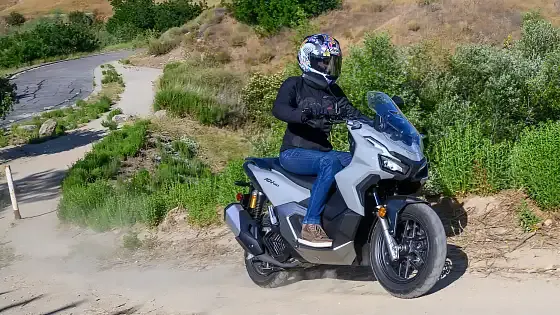
- Your left side is the scooter side. Motorbikes pass on both sides, but most of them travel along your left door. Check the left mirror and look over your shoulder before every left turn and every move towards the kerb.
- Give way to pedestrians at crossings. The Tourism Authority of Thailand reminds drivers that pedestrians have the right of way there, even when local drivers do not stop.
Everyone in the car must wear a seat belt, rear passengers included. Thai law also requires a child seat for children under six or shorter than 135 cm. Travelling with young children? Ask the rental company for a seat before you book. Phone use, alcohol limits and current traffic fines are covered in our article on Thailand road rules for tourists.
Pattaya’s main roads: Beach Road, Second Road and Sukhumvit
Central Pattaya is a grid squeezed between the sea and Sukhumvit Road. Learn three roads and you can find your way around most of the centre:
- Beach Road runs along the seafront and is one-way, southbound. Songthaews, the pickup trucks that work as shared taxis, stop anywhere along it to pick up and drop off passengers.
- Second Road runs parallel, one block inland, and is one-way, northbound. With Beach Road it forms a loop, joined by numbered sois and by North, Central and South Pattaya roads. If you miss a turn, go round the loop again. Do not reverse, and do not cut through a soi against the arrows.
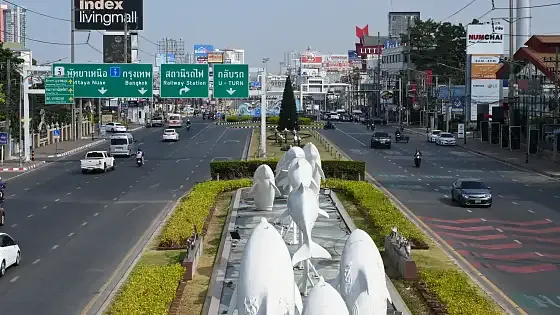
- Sukhumvit Road (Highway 3) is the main north–south road along the eastern side of the city. It is a divided highway: to reach a side road on the far side or change direction, you usually carry on to a U-turn point and come back. At the Central Pattaya Road junction the through lanes drop into an underpass, so keep out of them if you plan to turn there.

Thepprasit Road in the south links Sukhumvit with Jomtien and the beaches beyond. Jomtien, Pratumnak and Naklua are calmer than the centre, with more space to park; our guide to Pattaya areas by scooter describes each district, and most of its tips work for a car too.
Scooters, songthaews and rain: what catches drivers out
Smartraveller, the Australian government’s travel advice service, notes that Thailand has one of the highest road death rates in the world and that accidents are common in resort areas, Pattaya among them. For a car driver, most of the risk comes from a few predictable situations:
- Scooters at traffic lights. They filter between lanes and gather in front of the stop line. When the light turns green, let them pull away first.
- Songthaews that stop without warning. Leave a gap and do not tailgate one on Beach Road or Second Road.
- Traffic joining Sukhumvit. Cars and bikes merge at speed from side roads and U-turn points. Watch the left lane and your mirrors as you pass them.
- Riders ignoring the rules. Expect scooters riding against the traffic near sois and markets.
- Heavy rain. In the wet season, usually May to December, water hides potholes and the surface turns slippery. Slow down, or wait out a downpour in a safe place.
- Holidays and late nights. During Songkran and other festivals, drink driving and congestion get worse. The same applies after midnight, when bars close.
Parking in Pattaya: kerb colours and car parks
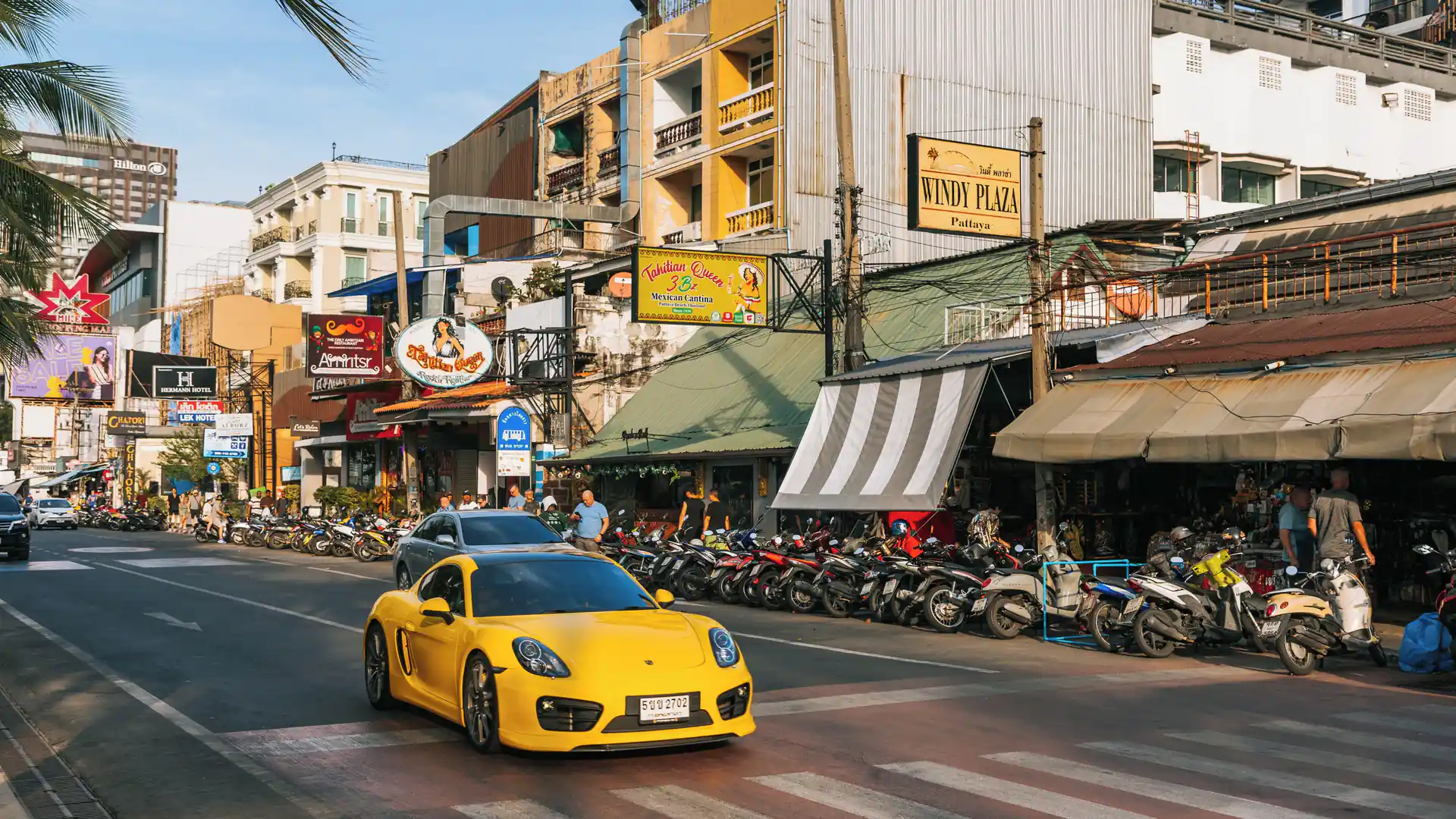
Street parking in central Pattaya is limited, and city officers and police inspect the beach roads. The kerb markings tell you what is allowed:
| Kerb marking | What it means |
|---|---|
| Red and white | No stopping or parking at any time |
| Yellow and white | A brief stop to drop off or pick up passengers; no parking |
| Black and white | Parking allowed |
Pattaya Mail reports that cars parked against the rules may be clamped or towed and fined, and being a tourist is no excuse.
For longer stops, use a car park. The big shopping centres, including Central Pattaya, Terminal 21 and Royal Garden Plaza, have multi-storey car parks. Ask your hotel about guest parking. Never block a soi entrance or park on the pavement.
Fuel stations and toll roads
Filling up is simple. PTT, Bangchak, Shell and other chains have stations along Sukhumvit and the main roads, and at many of them an attendant fills the tank for you. The pumps sell gasohol, a blend of petrol and ethanol, in four grades: Gasohol 95, Gasohol 91, E20 and E85. Diesel has its own pumps.
Before you drive off, ask the rental company which fuel the car takes and whether E20 is allowed; the type is often printed on a sticker inside the fuel flap. Name the grade clearly to the attendant. Note the fuel level at pickup and the level the agreement asks for at return.
If you drive from Bangkok or Suvarnabhumi Airport, the quickest route is Motorway 7, a toll road that runs past Pattaya. You pay at toll plazas with an M-Pass or Easy Pass tag or in cash; the Department of Highways asks cash payers to have the exact amount ready. If the rental car has a tag, ask how its balance is settled; if not, use the cash lanes. Sukhumvit Road is free but slower. Before longer day trips from Pattaya by car, check whether your agreement allows driving outside the city. If you have not picked up a car yet, our guide to getting from Bangkok airport to Pattaya compares the bus, taxi, transfer and rental car.
If you have an accident
- Stop, switch on the hazard lights and make the scene safe.
- If anyone is hurt, call 1669 for an ambulance. Police: 191, Tourist Police: 1155, Traffic Police accident hotline: 1197.
- Before anyone moves the vehicles, photograph their positions, number plates, damage and road markings, unless the cars are blocking traffic dangerously.
- Call the rental company straight away and follow its instructions on insurance. Tell your own travel insurer as soon as you can.
- Do not sign documents in Thai that you cannot read; ask for an interpreter.
Smartraveller warns that after an accident the police may detain a foreigner until compensation is agreed. That is why the insurance terms matter before you set off. What compulsory cover, the rental policy and your travel insurance each pay for is explained in our guide to rental vehicle insurance in Thailand.
A small car makes Pattaya’s narrow sois and car parks easier. Compare cars for rent in Pattaya by size and gearbox; the Toyota Yaris hatchback with CVT, for example, is compact enough for the centre. For short solo rides around town, a scooter rental may be simpler if your licence covers motorcycles.
Quick answers
Is it safe to drive in Pattaya?
It is manageable if you already drive confidently, stay sober and take the first day slowly. The main risks are scooters on your left, sudden songthaew stops, Sukhumvit U-turns and heavy rain.
Can I drive in Thailand as a tourist?
Yes, with an International Driving Permit under the 1949 Geneva Convention or a licence from another ASEAN country, carried together with your national licence. You must be at least 18 to drive a car.
Is it hard to drive on the left in Thailand?
Most drivers get used to it within a day. Practise on quiet streets first and take extra care with right turns and car park exits, where habit can put you on the wrong side.
Which roads in Pattaya are one-way?
Beach Road is one-way southbound and Second Road one-way northbound; together they form a loop through the centre. Many sois are one-way too, so follow the arrows rather than the app.
Do I need cash for tolls between Bangkok and Pattaya?
Motorway 7 is a toll road. Pay in cash at the toll plaza or with an M-Pass or Easy Pass tag if the car has one. Sukhumvit Road is free but slower.
This article is general information. Road layouts, parking rules and toll payment methods change, so follow local signs and check the current terms of your rental agreement with the partner before you drive.